
The signs your elderly parent needs help, even if they say they're fine

"I'm fine" is one of the least reliable sentences in the English language when it comes from an elderly parent who's determined to stay independent. It's rarely a lie exactly — more that "fine" has quietly redefined itself over months, one small adjustment at a time, until it means something quite different from what it used to.
The trouble is that the person telling you they're fine is often the worst-placed person to notice the changes, because they've happened gradually enough to normalise. So it usually falls to whoever visits to actually look, rather than just ask.
What to actually look for
The fridge. Out-of-date food, very little fresh food, or the same three things bought repeatedly because shopping trips have become harder or less frequent. This is one of the single most reliable indicators there is, and it takes ten seconds to check.
Post. A stack of unopened letters, especially anything that looks official, is a strong sign that either eyesight, energy, or confidence to deal with paperwork has dropped off.
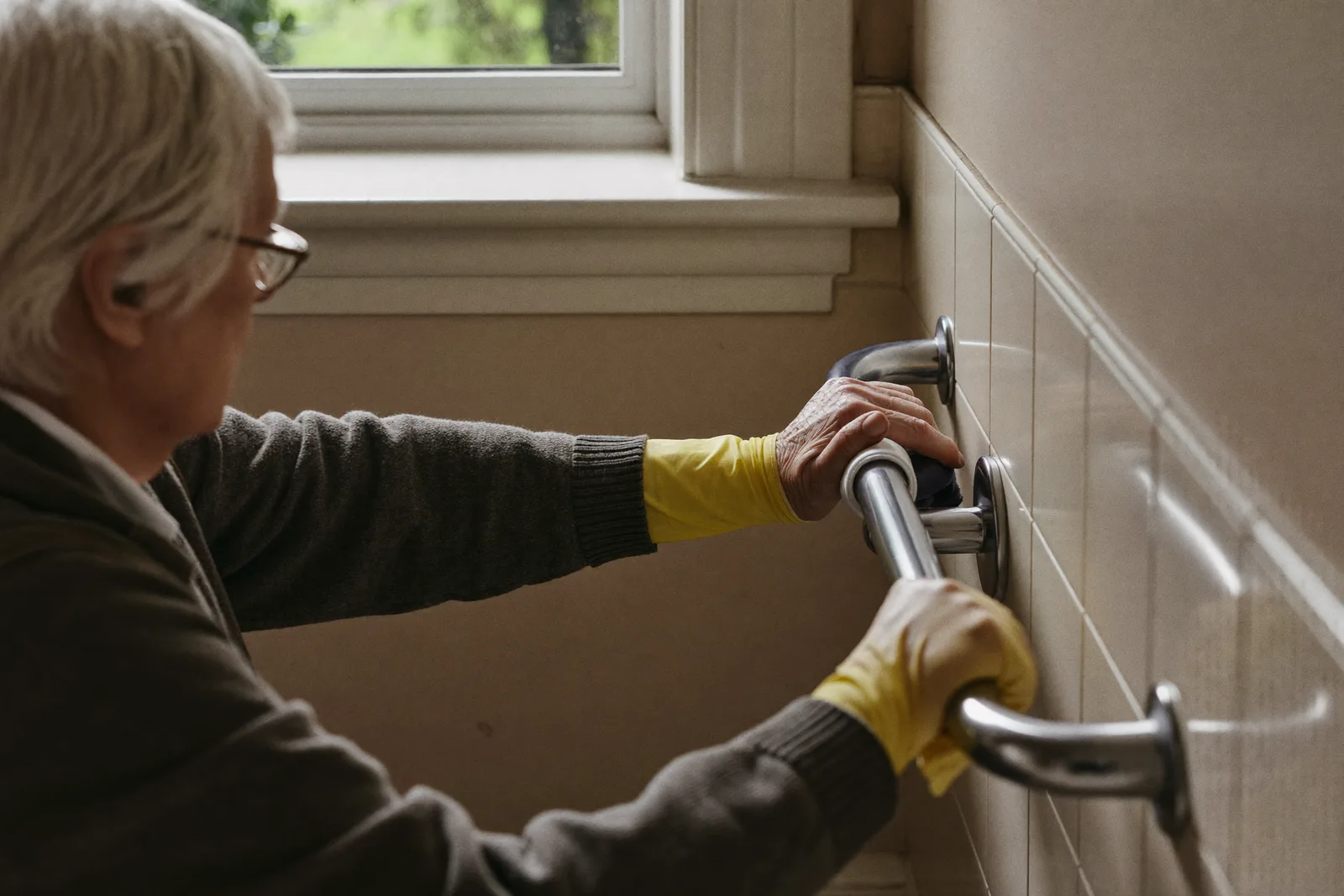
The stairs, and how they're used. Watch rather than ask. Is there a hand permanently on the rail? A pause at the top or bottom? Furniture that's been quietly rearranged to avoid a particular room?
Bruising, especially on arms and legs, which often points to minor falls or bumps nobody's mentioned, either out of embarrassment or because they genuinely didn't think it was worth raising.
Missed appointments or forgotten plans that wouldn't have been forgotten a year or two ago — not dramatic memory loss necessarily, just a level of things slipping that's new.
The general level of "getting by." Washing up left for longer than it used to be. Bins not going out. Bills sitting rather than being paid on time. None of these are alarming individually. Several of them together, that weren't there last year, usually are.
Why "are you okay?" doesn't work
Because the honest answer, most of the time, genuinely is "yes" — from where they're sitting. Someone who's quietly stopped doing the stairs at night, or stopped cooking properly, or stopped going out much, has usually adjusted their own definition of "okay" to match what they can still manage. They're not being evasive. The bar has just moved without either of you clocking it happening.
How to raise it without it becoming a row
Lead with something specific and observed, not a general question. "I noticed the bins didn't go out this week — is that something I can help sort?" lands very differently to "are you managing okay on your own?", which almost always gets a defensive yes.
Frame anything you suggest as making life easier, not as a loss of independence — because functionally, that's usually exactly what it is. Someone helping with the weekly shop or popping round twice a week for company isn't "care" in the sense they're probably picturing (and worrying about); it's someone taking the parts that have become a slog off their plate, so the parts they still enjoy stay easier to manage.
And if it helps to have that first conversation be with someone other than you — sometimes a parent will be more receptive hearing it from a visiting support worker who's already built a bit of rapport than from their own child — that's a completely normal way in. Have a look at what companionship support actually involves, or get in touch if you want to talk through what you're seeing before deciding what, if anything, to do about it.
Thinking about support for someone you love?
Tell us a little about the situation and we'll talk you through it, no obligation.
Published by Goodfellow Support Services Ltd — a registered UK company providing non-clinical home support and cleaning across England & Wales.