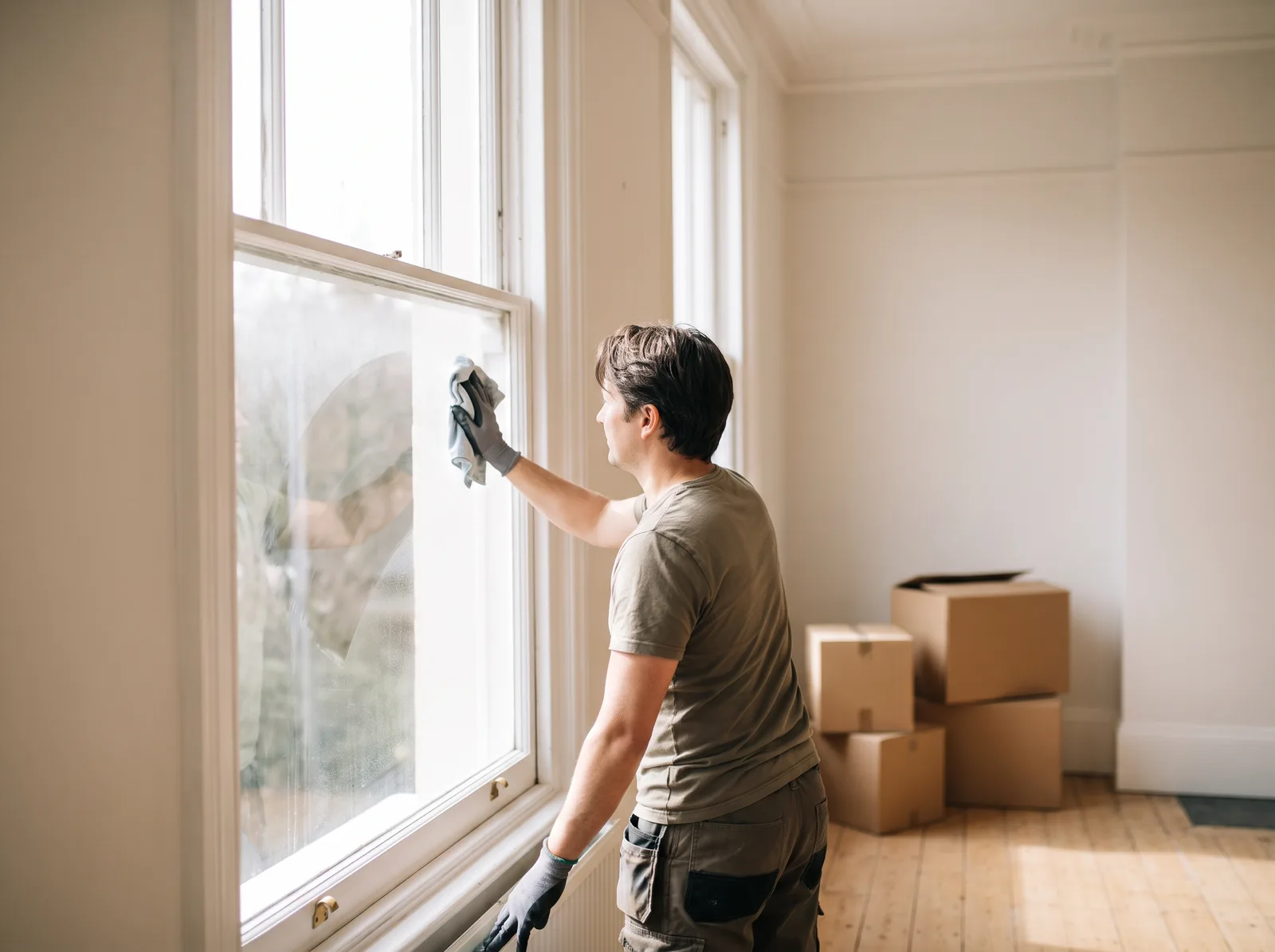

How often should an elderly relative's home be deep cleaned?
The short answer: a light clean weekly, and a genuine deep clean every 4–8 weeks, more often if there's reduced mobility, incontinence, or a diagnosis like dementia in the picture. A home that looks tidy from the doorway can still be a hygiene risk for someone with a weaker immune system or less day-to-day capacity to notice what's been missed — which is exactly why "it looks fine" isn't the same test it is for a younger, fully mobile household.
Why the standard is different for an elderly household
A working-age household with a weekly hoover-round and an occasional proper clean is usually managing risk fine, because a stronger immune system absorbs the odd lapse without consequence. That's not true in the same way for an elderly person, particularly anyone with reduced mobility, a chronic condition, or a weaker immune system. Bacteria in a bathroom, mould starting in a rarely-opened room, or a build-up of dust affecting breathing all carry more real risk than they would in a younger household — and the person living there is often the least able to notice or fix it themselves.
What a weekly clean should cover
- Kitchen surfaces, hob, and washing-up area
- Bathroom — toilet, sink, shower or bath
- Floors in main living areas
- Bins emptied
- General tidying and a check for anything obviously amiss (spoiled food, unopened post, a room that's started smelling off)
What only a proper deep clean catches
- Inside the oven and behind appliances — grease build-up that a weekly wipe-round never reaches, and a genuine fire risk left long enough.
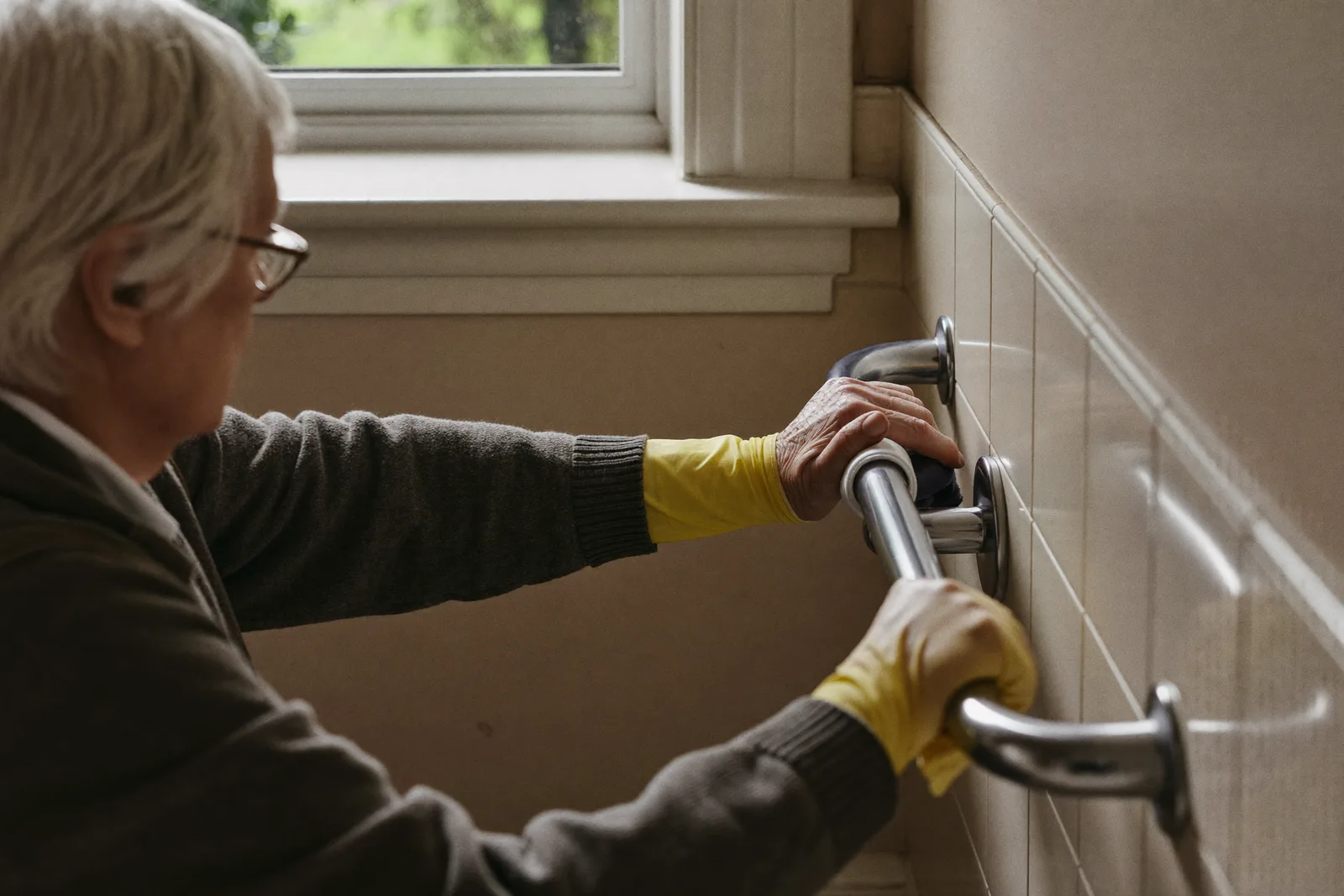
- Limescale and mould in the bathroom, especially around grab rails, shower seats, and other equipment that's harder to clean around and easy to skip.
- Carpets and upholstery, which trap allergens and odours a surface clean does nothing about.
- Skirting boards, light fittings, and the tops of doors — all invisible at a glance, all genuinely dusty within weeks.
- Cupboards, drawers, and anywhere out of daily sight, which is exactly where things get quietly neglected when someone's managing on limited time or energy.
How often, more specifically
Every 4–8 weeks is a sensible baseline for most elderly households managing reasonably well day to day. Every 2–4 weeks is more appropriate where there's incontinence, a diagnosis like dementia, reduced mobility that makes normal cleaning harder to do properly, or a period of illness. After any hospital stay, it's worth booking one in specifically before someone comes home — see our hospital discharge support if you need help getting the home ready on short notice, not just the clean itself.
The difference between domestic cleaning and care-standard cleaning
A standard domestic clean and a care-standard clean aren't the same service, even though they can look similar from the doorway. Care-standard cleaning is built specifically around the hygiene risks that matter more for elderly or vulnerable residents — a closer focus on bathrooms, higher-touch surfaces, and the areas most linked to infection risk, done to a standard that accounts for reduced mobility or immune resilience rather than just general tidiness.
A home that "looks clean" and a home that's actually hygienically safe for someone vulnerable are two different standards — and it's worth knowing which one you're actually getting.
If cleanliness is one of several things slipping
Sometimes a house that's gone downhill is the first visible sign of something bigger — the same pattern shows up alongside an empty fridge or unopened post as a sign that daily life has quietly become harder to manage. If that's what you're seeing, it might be worth reading about the difference between companionship and care too, since practical support and a proper cleaning schedule often need to be arranged together, not as separate problems.
If you're not sure how often your specific situation needs, see our cleaning pricing or get in touch and we'll advise honestly, rather than sell you more than you actually need.
Thinking about support for someone you love?
Tell us a little about the situation and we'll talk you through it, no obligation.
Published by Goodfellow Support Services Ltd — a registered UK company providing non-clinical home support and cleaning across England & Wales.
FAQ
Questions people ask about this
How often should an elderly person's home be professionally deep cleaned?
As a baseline, every 4–8 weeks for most elderly households, and every 2–4 weeks where there's incontinence, dementia, reduced mobility, or a recent illness or hospital stay — on top of a lighter weekly clean of the kitchen, bathroom, and main living areas.
What's the difference between domestic cleaning and care-standard cleaning?
Domestic cleaning covers general household tidiness, while care-standard cleaning is specifically built around the hygiene risks that matter more for elderly or vulnerable residents — closer attention to bathrooms, higher-touch surfaces, and infection-risk areas, to a standard that accounts for reduced mobility or immune resilience.
Can cleaning support be arranged alongside companionship or care visits?
Yes — cleaning and non-clinical support like companionship or errands are often arranged together, since a home that's becoming harder to keep on top of is frequently a sign that other everyday tasks have become harder too.