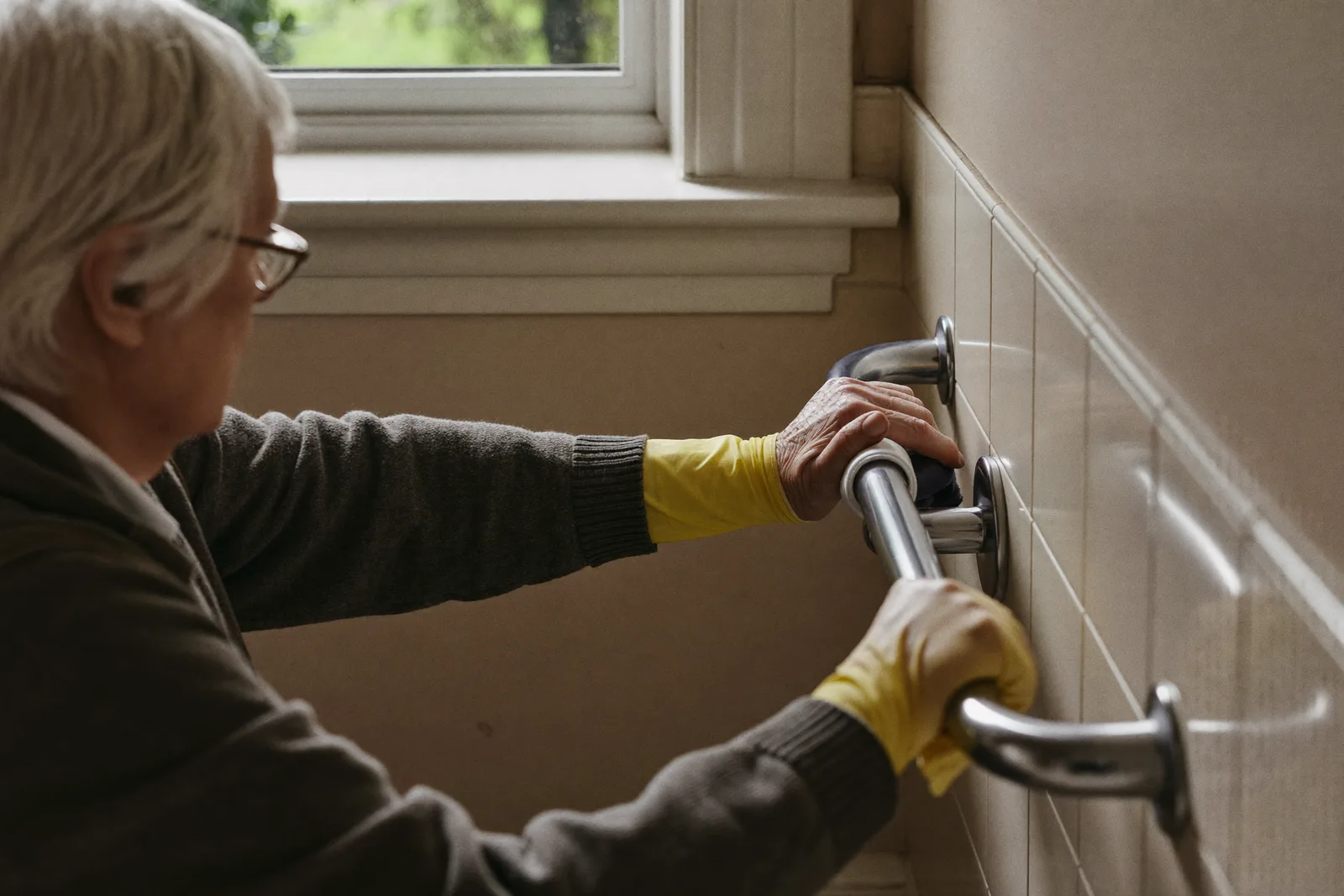

What to do when an elderly parent refuses help
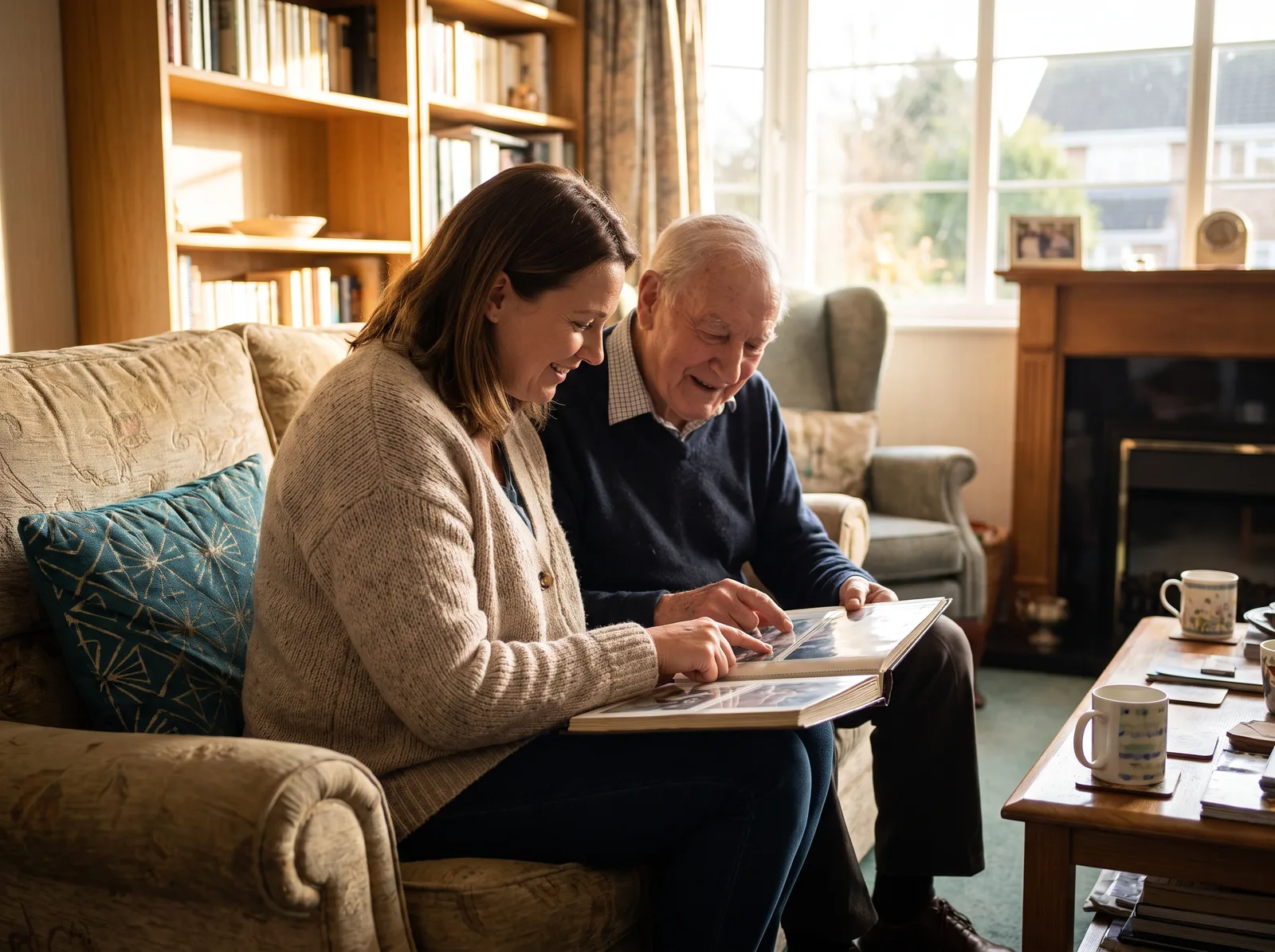
"I don't need anyone fussing over me" is one of the hardest sentences to hear from a parent who, by every visible sign, clearly does. It's tempting to treat this as stubbornness that just needs to be argued down. It rarely is. Refusal is almost never about the specific help on offer — it's about what accepting it seems to mean: a loss of independence, an admission that something's changed, a step towards a version of old age they're not ready to picture themselves in.
Why "do you need any help?" almost always gets a no
A blanket offer is easy to refuse, because there's nothing concrete to weigh up — just an abstract threat to independence dressed up as a question. Most people, of any age, would say no to that. Try asking a healthy 40-year-old the same question and see how differently phrased their instinctive answer is.
The fix isn't to ask more forcefully or more often. It's to stop offering "help" as a category and start offering one specific, small, time-limited thing instead. "I've asked someone to help me with the shopping run on Tuesday, so it's already sorted — is 10am alright for you too?" is much harder to turn down than "do you need any help with shopping?", because it isn't a referendum on independence. It's just logistics.
What tends to make things worse
- Arguing with the "I'm fine." You'll rarely win that argument directly, and every round makes the next offer harder to make, not easier.
- Framing it as care. For someone determined to stay independent, "care" can sound like the word for the thing they're afraid is happening to them. "A bit of help" or "someone to take the boring jobs off your plate" usually lands better than "care" ever will.
- Making it about you. "It would put my mind at rest" is honest, but it turns the decision into an emotional favour rather than something practical they'd choose for themselves.
- One big conversation. Life-changing decisions rarely get made in a single sitting, however well you plan it. Small, low-stakes offers repeated over weeks tend to work where one serious sit-down conversation doesn't.
What actually tends to shift things
Start with the smallest, least "carey" thing on the table — usually errands, transport, or company, not anything that touches personal care. Someone who'd flatly refuse "a carer" will often accept "someone to come with me to the appointment" without a second thought, because it doesn't ask them to redefine themselves as a person who needs care.
Let a third party make the first approach where you can. A parent will often hear the same suggestion completely differently from a support worker who's built some rapport already than from their own child — there's less history in the way, and less at stake emotionally if they say yes.
And keep the frame practical, not emotional: this is about making a slog easier, not about anyone "coping." Most people are perfectly willing to outsource a chore they find tedious. Far fewer are willing to admit they can't manage.
Refusal usually isn't a fixed decision — it's a moving one, and it moves fastest when nobody's pushing against it directly.
When it's not just reluctance
Sometimes what looks like stubbornness is something else — look for the signs that things have quietly slipped further than a parent is letting on, like an empty fridge, unopened post, or bruising nobody's mentioned. If any of that's present alongside the refusal, it's worth involving their GP, since a decline in judgement or confidence can itself be part of what's driving the "I'm fine."
If you've tried the small, practical approach and you're still stuck, get in touch — sometimes talking it through with someone who does this every day is enough to find the specific opening that works for your situation, rather than the generic one that hasn't.
Thinking about support for someone you love?
Tell us a little about the situation and we'll talk you through it, no obligation.
Published by Goodfellow Support Services Ltd — a registered UK company providing non-clinical home support and cleaning across England & Wales.
FAQ
Questions people ask about this
Why do elderly parents often refuse help even when they clearly need it?
Refusing help is rarely about the specific task on offer — it's usually about what accepting help seems to represent: a loss of independence or an admission that something has changed. Blanket offers of "help" trigger that fear directly, which is why they're refused far more often than small, specific, practical offers.
Should I get a doctor involved if my parent refuses support?
If the refusal comes alongside other signs of decline — an empty fridge, unopened post, missed medication, or unexplained bruising — it's worth speaking to their GP, since a drop in confidence or judgement can be part of what's driving the refusal itself, not just stubbornness.
What if my elderly parent still refuses help after I've tried everything?
Keep offers small, specific, and repeated rather than treating it as one big decision — most people come round gradually, not in a single conversation. It can also help to have someone outside the family make the first approach, since a parent will often accept the same offer more readily from a support worker than from their own child.