
Coming home from hospital: what families need to know

Most families picture hospital discharge as something that gets carefully planned in advance. In practice, it rarely works that way. A ward round decides someone is medically fit, a bed is needed for the next patient, and a phone call goes out that afternoon. If you've been through it, you'll know the feeling: relief that your mum or dad is coming home, quickly followed by "wait, home to what, exactly?"
The gap nobody warns you about
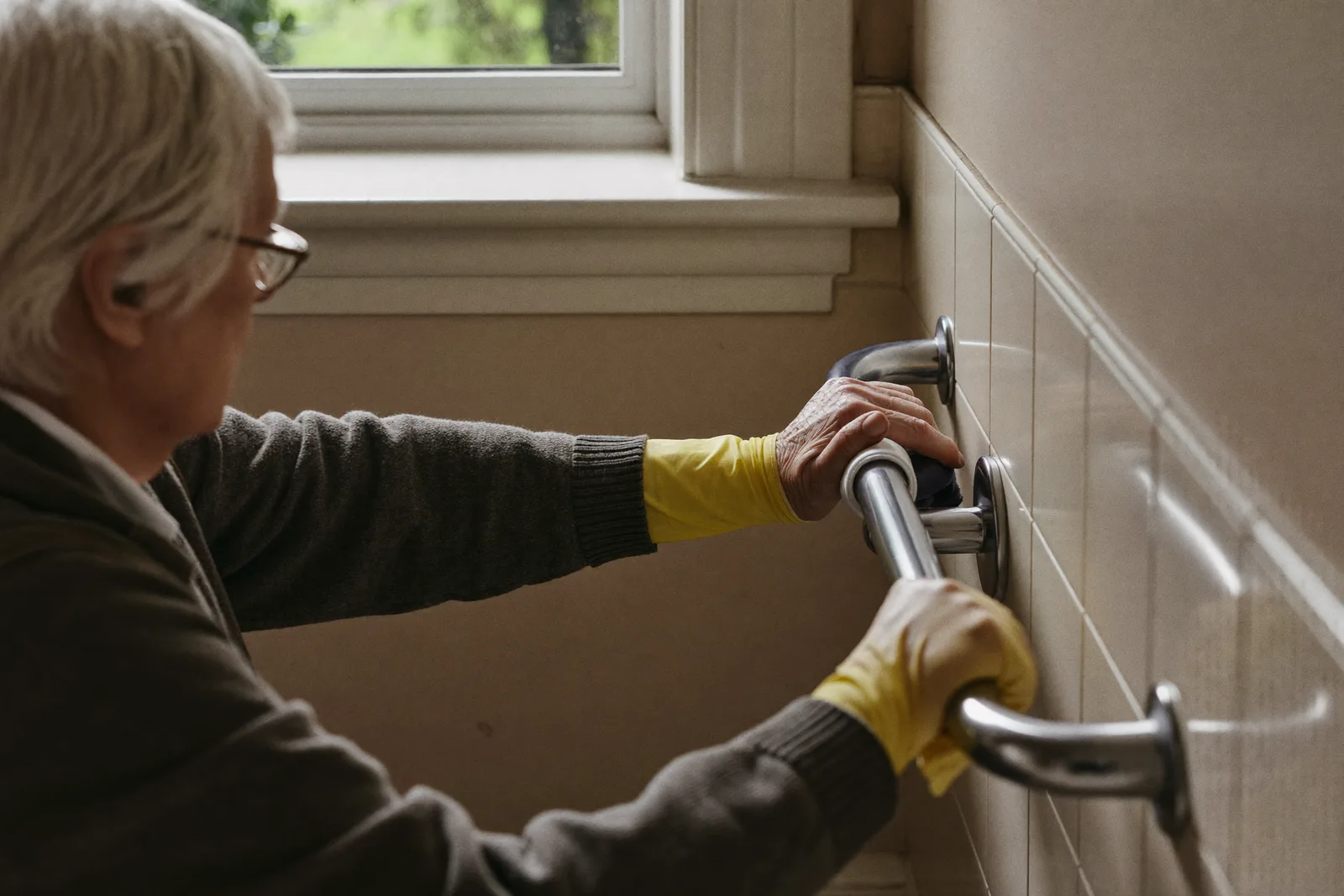
Hospitals are very good at treating the medical problem in front of them. They're less good at the practical questions that actually determine whether someone copes at home: is there food in the house, can they get up the stairs to bed, do they understand the new medication schedule, is there someone who'll notice if something's wrong on day three.
That gap between "medically fit for discharge" and "actually set up to manage at home" is where most of the difficulty sits, and it's rarely anyone's fault. Ward staff are managing a full ward. Families are usually juggling work, their own kids, and a two-hour round trip to the hospital. Something has to give, and it's usually the planning.
What actually helps in the first 48 hours
A few things make a disproportionate difference, based on what we see over and over:
- Someone physically there for the journey home. Not just a lift — someone who waits with them if there's a delay, carries the discharge bag, and gets them settled rather than dropping them at the door.
- The fridge sorted before they arrive. Nothing undermines a "getting back to normal" mood faster than an empty fridge and a flight of stairs between you and the shops.
- Medication laid out clearly, not just handed over in a paper bag with a printed sheet nobody reads properly at 4pm on a Friday.
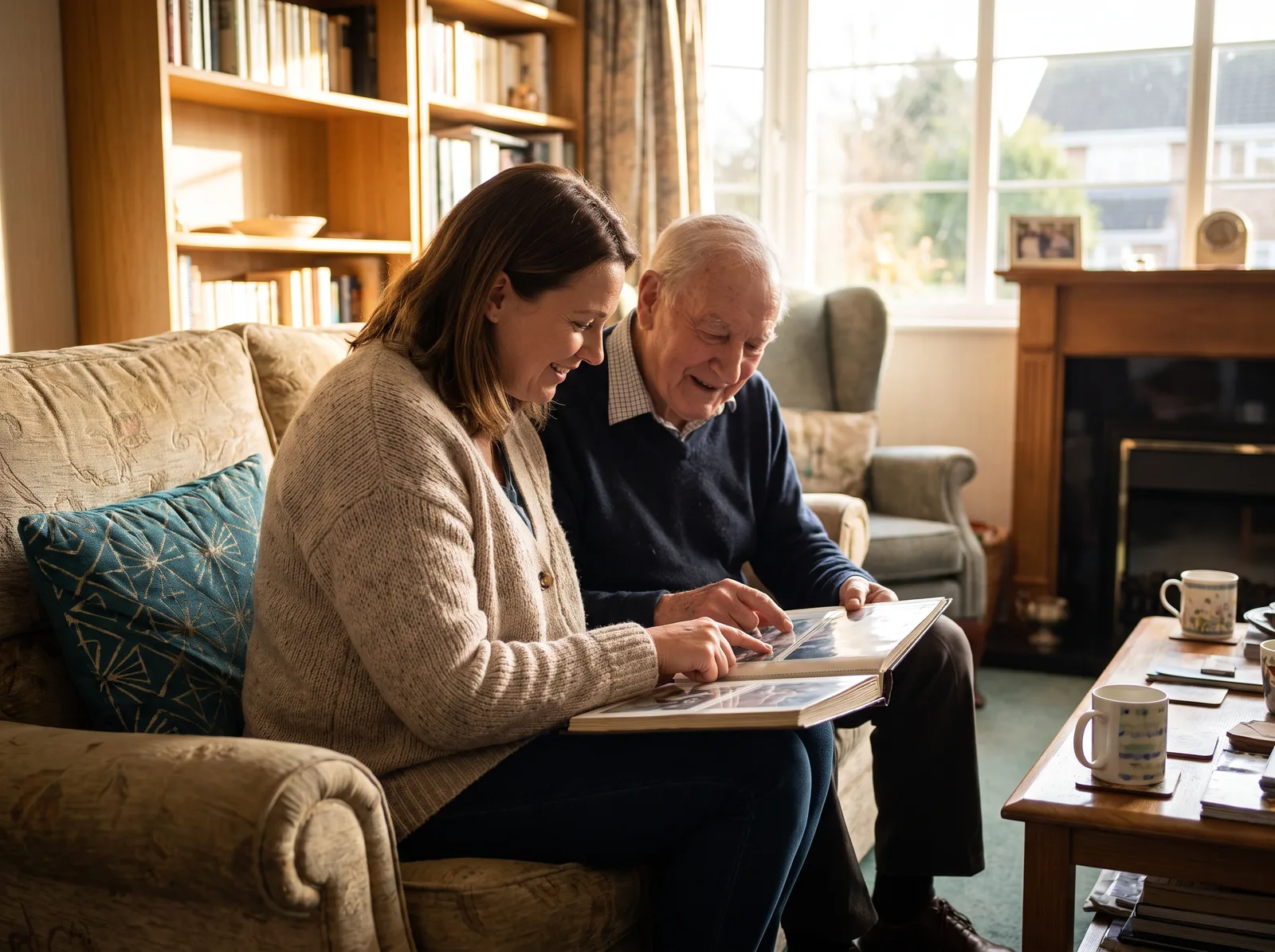
- A familiar face checking in over the following days, not necessarily doing anything dramatic — just noticing if someone's more breathless than yesterday, or hasn't eaten, or seems confused.
None of this is clinical. It's the ordinary, practical stuff that determines whether a discharge actually sticks, or whether someone's back in A&E within a fortnight because nobody was there to notice things sliding.
If you get the call with short notice
Try not to panic about getting everything perfect before they're through the door. A same-day or next-day hospital discharge support visit — someone to collect them, get the home ready, and stay for the first evening — covers far more of the risk than people expect. It buys you the day or two you actually need to sort out anything longer-term, like whether ongoing companionship visits or help with shopping would take the pressure off.
The first 48 hours after discharge matter more than almost anything else in the recovery. Get those right and everything after tends to follow.
If you're staring down a discharge date with no plan yet, get in touch — we'd rather have an awkward first phone call today than you finding out the hard way that nobody was checking in.
Thinking about support for someone you love?
Tell us a little about the situation and we'll talk you through it, no obligation.
Published by Goodfellow Support Services Ltd — a registered UK company providing non-clinical home support and cleaning across England & Wales.