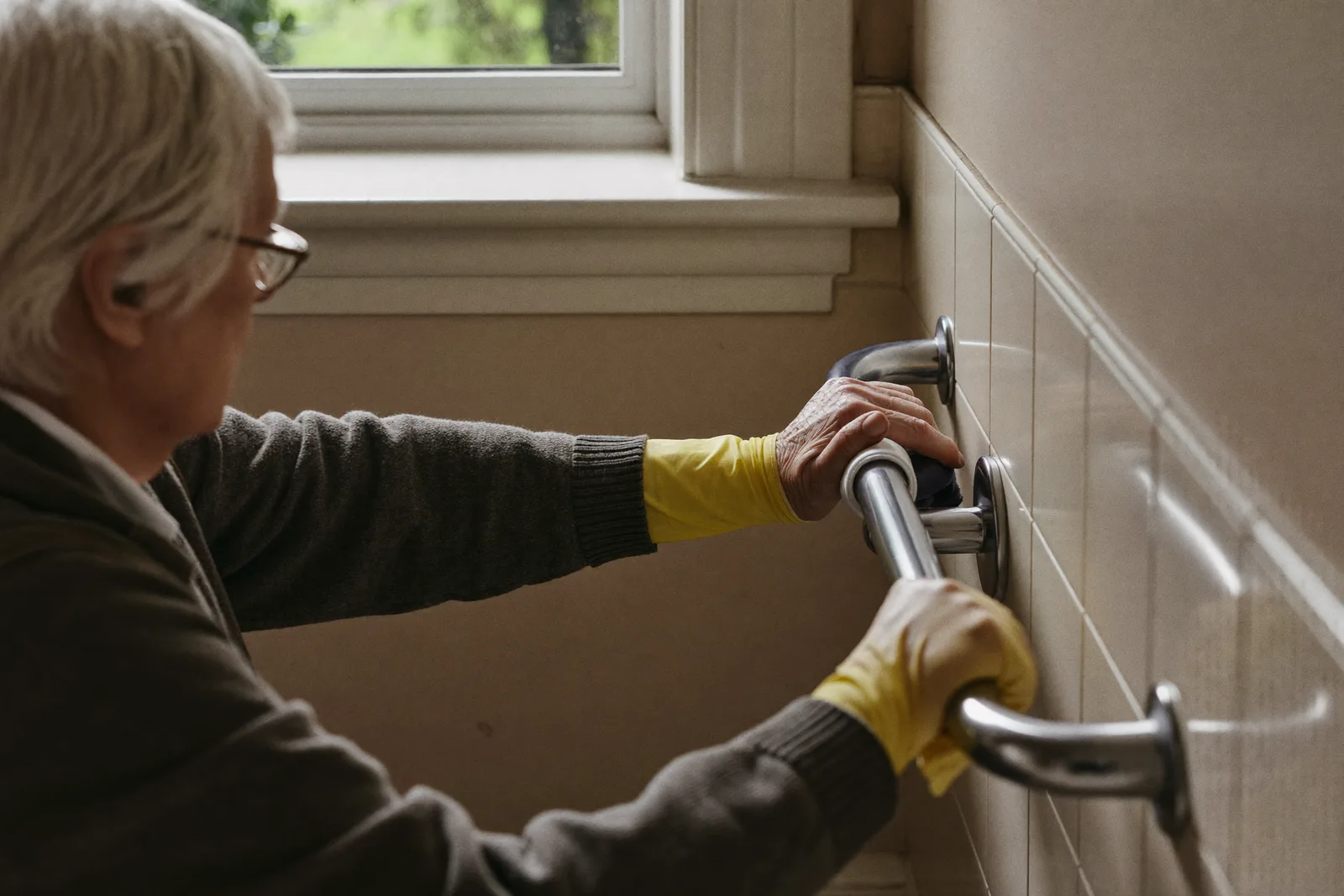

Companionship or care — what's the difference, and does it matter?

"We just need someone to pop in and keep an eye on Mum" is one of the most common things we hear — and it usually turns out to mean something quite specific once you talk it through. So it's worth being clear about a distinction that gets blurred constantly: companionship support and personal care are not the same thing, and the difference isn't just semantics.
What "personal care" actually means
In the UK, personal care — washing, dressing, help with the toilet, administering medication — is a regulated activity. Anyone providing it has to be registered with the Care Quality Commission (CQC) in England, meet specific training standards, and operate under a framework built for exactly that kind of hands-on, physical support.
That regulation exists for good reason. It's a serious thing to help someone bathe or manage their medication, and the oversight reflects that.
What companionship and practical support actually cover
Non-clinical support sits in a different, and much larger, space than people often assume. It's regular company. It's a lift to an appointment. It's help with the shopping, prompting around mealtimes, light tidying, someone reliable to talk to. None of it involves physical or medical care — and that's not a limitation, it's the whole point of the service.
A lot of families come to us assuming they need "care" when what would actually help most is someone dependable showing up twice a week for a cup of tea, a chat, and help getting the shopping in. Loneliness and a slowly-neglected flat cause just as much harm as any medical issue, and neither needs a CQC-registered carer to fix.
Why the distinction actually matters to you
Three reasons this isn't just a technicality:
- Cost and availability. Regulated personal care is more expensive to provide and often harder to book at short notice, because of the training and oversight involved. If what you actually need is company and practical help, paying for (and waiting for) a personal care service is a mismatch in both directions.
- What you're legally getting. If someone genuinely needs help with washing or medication and a provider isn't CQC-registered to do it, that's a real problem — not a paperwork issue.
- What actually helps. Plenty of people who "need care" in a family's mind are, on closer conversation, coping fine physically but struggling with isolation, transport, or the general effort of keeping a home running. That's a companionship problem, not a care problem, and it's worth being honest about which one you're actually looking at.
How to work out which one you need
Ask directly: does the person need physical help with washing, dressing, using the bathroom, or taking medication? If yes, you need a regulated care provider, and it's worth being upfront about that rather than trying to stretch a companionship service to cover it.
If the honest answer is "no, they manage physically, but they're lonely, don't drive any more, and the house is getting on top of them" — that's exactly the gap non-clinical support is built for.
We're explicit about this ourselves: we don't provide personal care, and we'll tell you plainly if that's what's actually needed, rather than take on something we're not set up to do properly. If you're not sure which side of that line your situation falls on, get in touch and we'll talk it through honestly.
Thinking about support for someone you love?
Tell us a little about the situation and we'll talk you through it, no obligation.
Published by Goodfellow Support Services Ltd — a registered UK company providing non-clinical home support and cleaning across England & Wales.